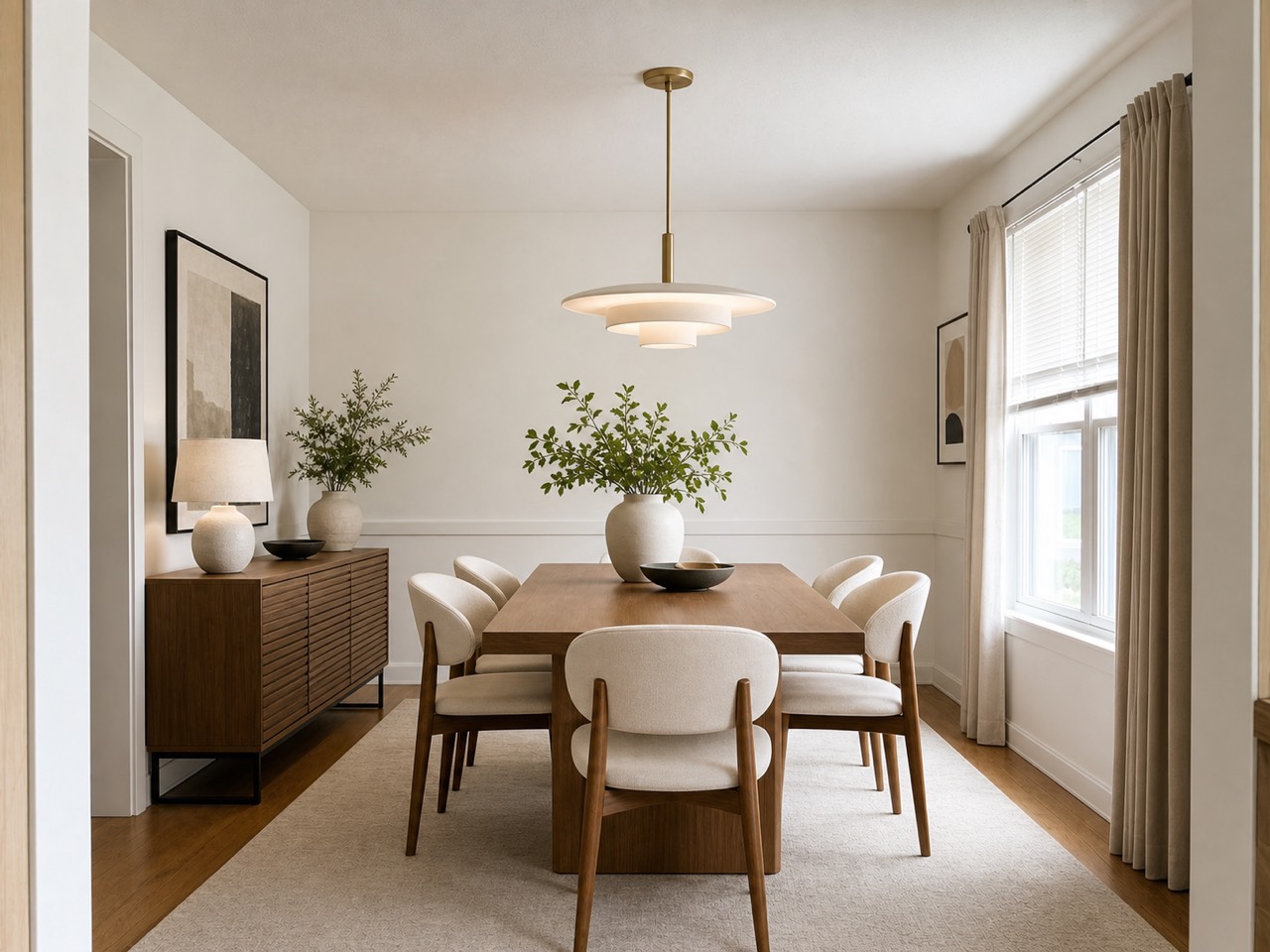
Japandi is the rare portmanteau style that's more than a hashtag. It fuses two traditions that were already cousins — Japanese design's reverence for imperfection and emptiness, Scandinavian design's warmth and function — into rooms that are minimal without being cold. If plain minimalism ever struck you as a beautiful room nobody lives in, Japandi is the answer to that objection.
What follows: what actually makes a room Japandi (more specific than "neutral and tidy"), the palette and materials, the styles it gets confused with — and a way to see it on your own room before you change anything.
What is Japandi interior design?
Japandi is a hybrid of Japanese and Scandinavian design built on their shared values: natural materials, craftsmanship, function, and restraint. From the Japanese side it takes wabi-sabi — beauty in imperfection and age — along with low furniture and deliberate empty space. From the Scandinavian side it takes hygge's warmth: soft textiles, pale woods, and rooms designed for comfort rather than display.
The principles that make it work
- Fewer, better things — each piece earns its place; storage hides the rest
- Natural materials, honestly finished — wood, linen, stone, paper, ceramics; nothing glossy, nothing pretending
- Low, grounded furniture — platform beds, low sofas, floor cushions; sightlines stay open
- Contrast of woods — pale Scandinavian oak against dark Japanese-inflected walnut or stained ash is the style's signature move
- Deliberate empty space — the room is composed, not filled; the gap between objects is part of the design
- Imperfection welcomed — a hand-thrown bowl, a live-edge shelf, linen that wrinkles; patina over polish
The Japandi palette
Warm neutrals do the groundwork: oatmeal, sand, mushroom, warm white. Depth comes from earth and ink — moss green, clay, charcoal, near-black — used in furniture and objects more than on walls. What you won't find: bright saturated color, cool blue-grays, or anything neon. If a color could appear in a forest or a tea bowl, it belongs; if it could appear on a sports car, it doesn't.
Japandi vs. the styles it gets mistaken for
- vs. Scandinavian: Scandi is brighter and more playful — white walls, pops of color, lighter woods throughout. Japandi is quieter, darker at the edges, more austere
- vs. minimalism: minimalism subtracts until almost nothing remains; Japandi subtracts until only warm, tactile things remain — the difference is texture and wood
- vs. Zen or traditional Japanese: Japandi borrows the philosophy, not the architecture — no shoji screens or tatami required; it lives comfortably in an ordinary Western apartment
Bringing it into a real room
You don't need to gut anything. The reliable sequence: clear the visible clutter first (Japandi dies under cable spaghetti), then shift the largest surfaces neutral — walls in warm white or oatmeal, a natural-fiber rug. Introduce the wood contrast with one dark piece against your pale ones, or vice versa. Swap shiny for matte where cheap: ceramic lamps, linen curtains, a wooden tray. Finish with one imperfect, handmade object and one plant with sculptural intent — a branch in a vase over a supermarket bouquet.
The mistakes that break the spell
- Making it cold — all restraint and no texture lands in show-home minimalism; linen, wool and wood are non-negotiable
- Matching furniture sets — Japandi rooms look gathered over time, not delivered in one truck
- Glossy finishes and chrome — sheen is the fastest way to lose the style
- Too much color discipline in textiles but clutter on surfaces — the style is 80% editing, 20% shopping
Preview Japandi on your own room
Japandi's whole bet is that your room will feel calmer with less in it — which is exactly the kind of claim worth testing before you rehome half your furniture. Roomvana restyles a photo of your actual room in Japandi (one of 23 built-in styles), designed to keep your walls, windows and layout in place, in under a minute. Seeing your own bedroom or living room in the style answers the real question — does this suit my space and my light — better than any inspiration feed can.
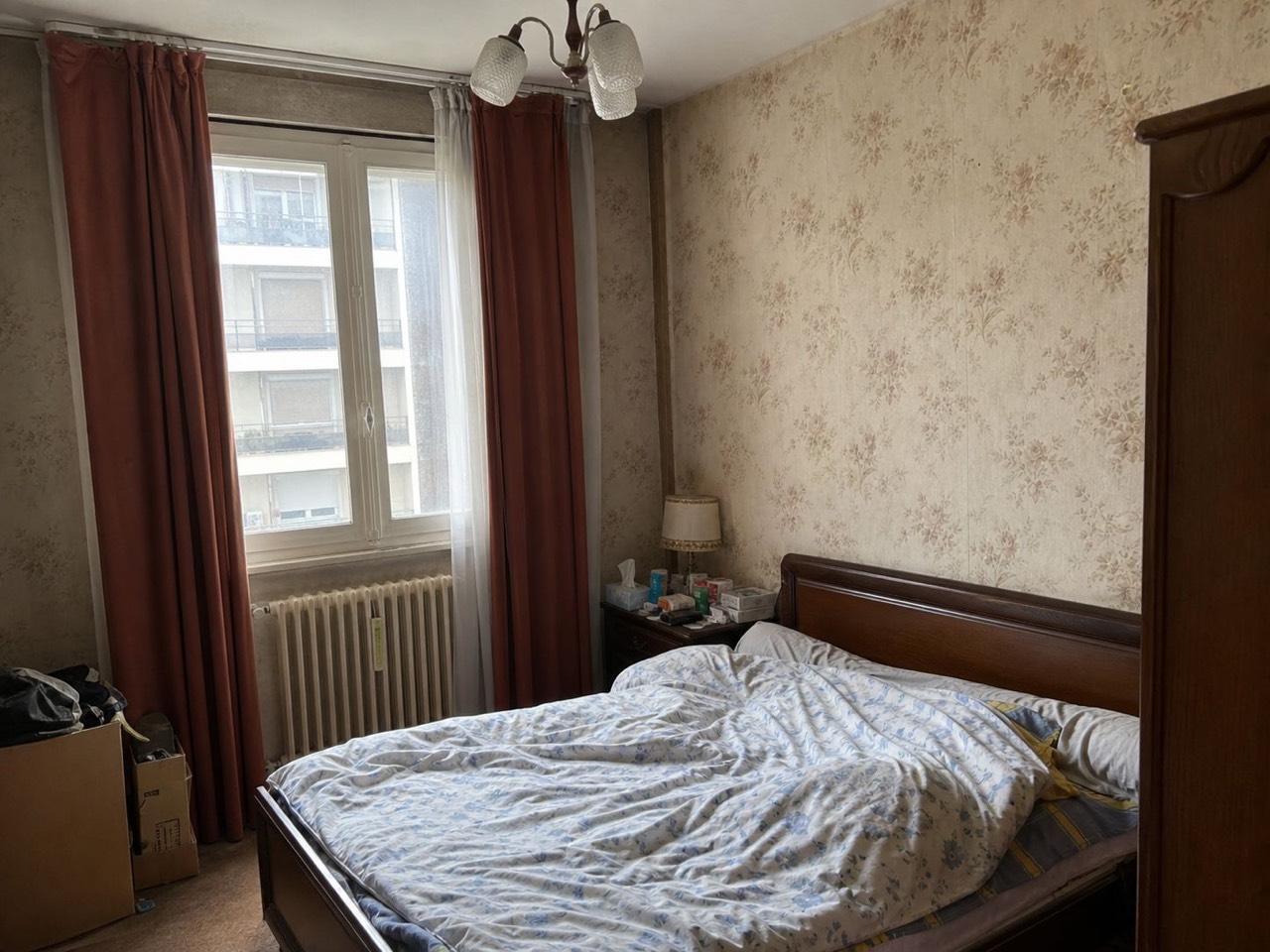 Before
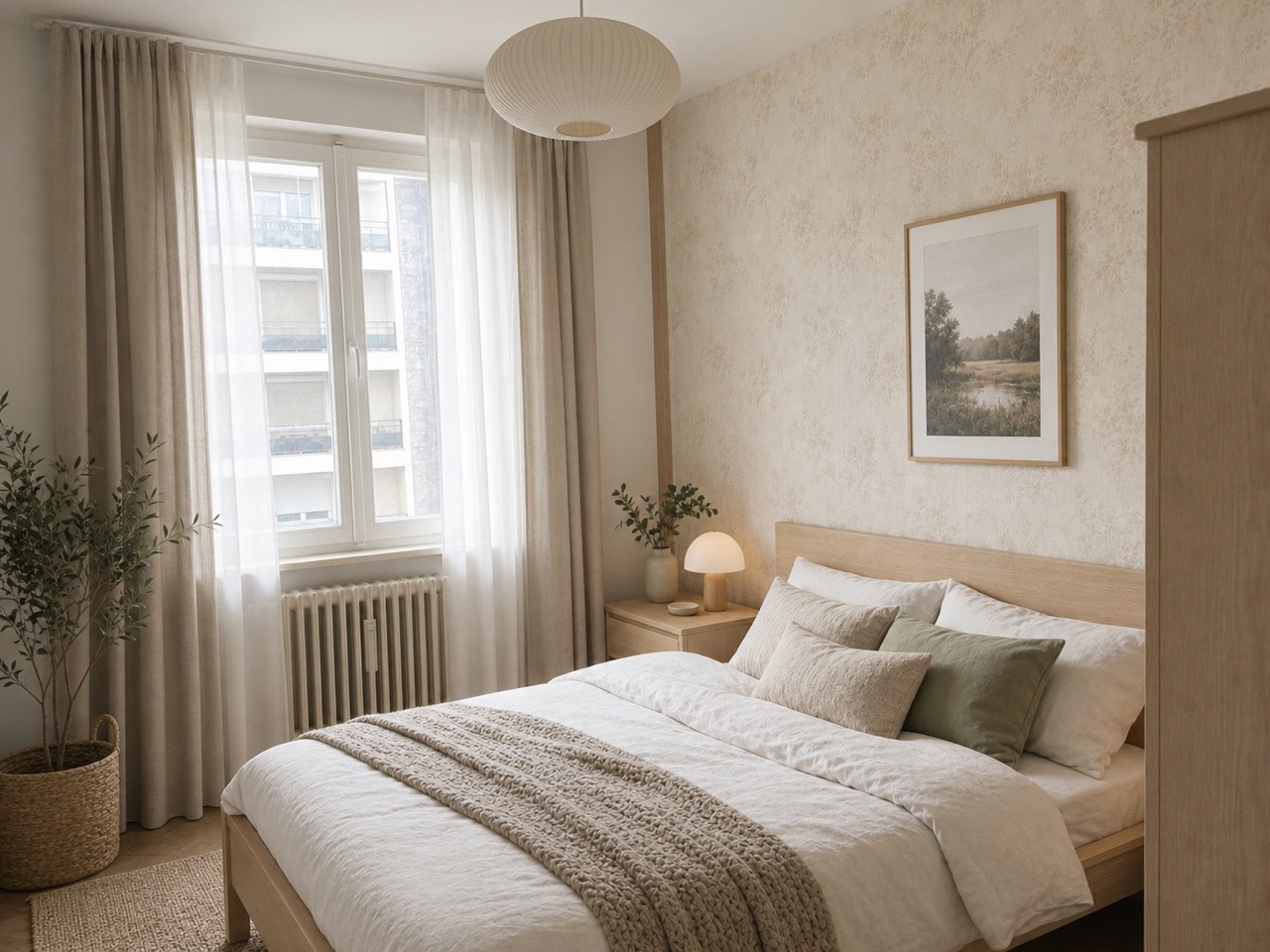 After
AfterSee your room in Japandi
Upload one photo, choose Japandi, and see your room restyled in about 30 seconds. Sign in with Google — your first 3 designs are free (watermarked).
Try Japandi on my room